

Best IPTV Subscription
IPTV Subscription has changed how people watch live TV, sports, and on-demand entertainment. Instead of relying on traditional broadcast, satellite, or cable delivery, IPTV uses internet protocol networks to deliver TV content in a modern, flexible way.
But choosing an IPTV subscription is not just about finding “the cheapest plan.” The right choice depends on stability, device compatibility, viewing habits (solo, couple, family), and—most importantly—whether the service distributes content legally with proper licensing.
This guide explains what IPTV is, how it works, what features matter, how to choose the right plan, and how to avoid risky illegal services. It also includes a simple next step if you want to compare an IPTV provider and pricing options.
What IPTV Subscription is (and how it works)
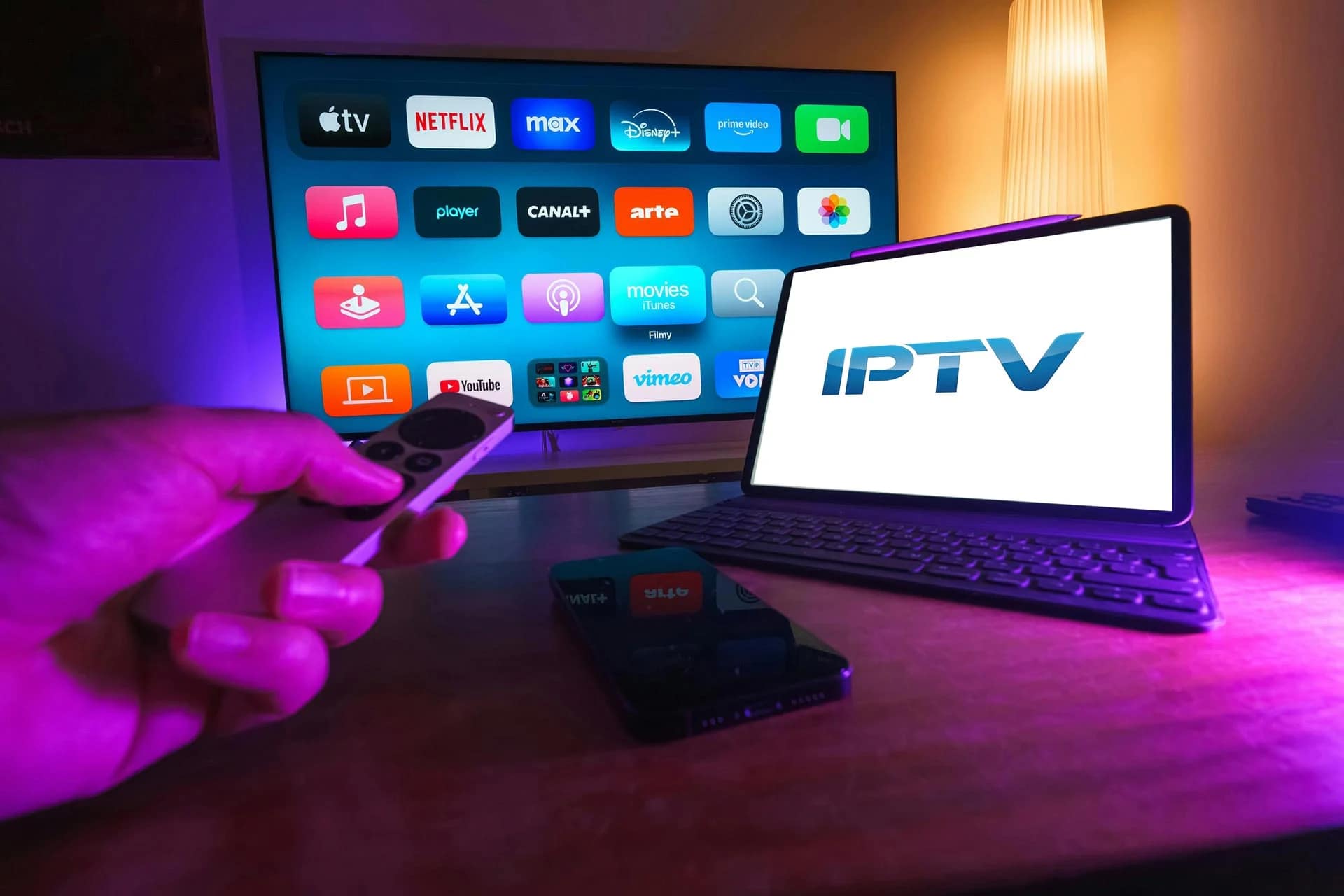
IPTV (Internet Protocol Television) delivers television content over the internet rather than through traditional cable, satellite, or broadcast methods. This shift makes IPTV feel more “digital” than old-school TV, because content is delivered like other internet data (in packets) and can support interactive experiences.
Many IPTV services operate on a managed or dedicated network approach to deliver more consistent quality, which differs from OTT platforms that rely on the public internet where congestion can impact performance. In practical terms, users experience IPTV through an app or a set-top box that receives the stream and plays it on a TV, phone, tablet, or computer.
The 3 main IPTV Subscription formats
Most IPTV offerings fall into three categories: Video on Demand (VOD), time-shifted media (catch-up), and live IPTV. VOD lets viewers choose what to watch anytime, time-shifting helps people watch recently aired programs later, and live IPTV focuses on real-time channels and events. You will find more ideas in IPTV with adult channels: ultimate buyer’s guide 2026.
If the household mainly watches series and movies, VOD depth matters more than channel count. If the household watches sports or news daily, stream stability and live performance become the priority.
Why people switch to IPTV Subscription
IPTV is popular because it matches modern viewing habits and supports watching across multiple screens. IPTV is often described as offering a more personalized experience, on-demand access, multi-device compatibility, and sometimes lower costs compared to traditional TV bundles.
Another big advantage is flexibility: viewers want content on their schedule, not tied to fixed broadcast times, which IPTV supports through VOD and catch-up features. Many users also like that IPTV can work across smart TVs, phones, tablets, computers, and common streaming devices, depending on the service and apps available. See also: IPTV streaming service.
Legal IPTV Subscription vs illegal IPTV Subscription (don’t skip this)
IPTV technology is legal, but services can be legal or illegal depending on whether they have the proper licenses to distribute the content they offer. Legitimate services secure distribution rights via agreements with content owners, while illegal services rebroadcast content without permission. More on that in best IPTV service 2026.
Using illegal IPTV can expose users to security risks (unvetted apps, malware risk), unreliable streams, and possible legal consequences. A common warning sign is pricing that seems “too good to be true” for access to massive amounts of premium content, which is highlighted as a typical pattern of illegal providers.
For a long-term project and brand reputation, it’s safer to promote (and subscribe to) services that operate transparently and emphasize compliance.
How to choose the right IPTV plan (solo, couple, family)
The “best plan” depends on how many people will watch, what they watch, and whether they watch simultaneously on different screens. IPTV providers commonly offer different features and plan types, such as varying channel counts, VOD access, quality (SD/HD/4K), and parental controls. You will find more ideas in best IPTV subscription 2026.
If watching solo
For a single viewer, a basic plan can often be enough, and a smaller channel lineup may still cover daily needs. One practical guideline is that a basic plan around 100–150 channels can be sufficient for solo viewing, as long as it includes the content categories the viewer actually watches.
If watching on mobile, laptop, or tablet is frequent, it’s also smart to prioritize device compatibility and app support rather than paying extra for features that won’t be used.
If watching as a couple (two viewers)
Two people often have different tastes, so a broader lineup and VOD access can be a better balance. A plan around 200–250 channels plus a VOD library is described as a practical middle ground for couples, especially when preferences differ.
Also, choosing a plan that supports at least two simultaneous connections matters when both viewers want to watch at the same time on separate screens.
If watching as a family
Family viewing usually means multiple tastes and multiple devices. A family-oriented plan often needs a larger lineup (commonly 300+ channels), a kids section, parental controls, support for 3+ devices at once, and VOD/archive features to keep everyone happy.
If profiles are available, they help keep each person’s interface relevant and reduce the daily frustration of digging through categories that don’t match the viewer.
Internet speed and streaming quality (SD, HD, 4K)
Even the best IPTV service can look “bad” if the internet connection can’t sustain the stream. Internet needs vary by quality level, and one common set of guidelines is: SD streams may need about 3–5 Mbps, HD around 10–15 Mbps, and 4K around 25 Mbps or higher for stable playback.
For households with multiple simultaneous streams, these numbers should be treated as minimums per active stream, and stability matters as much as raw speed. When possible, using Ethernet for the main TV device can reduce Wi‑Fi interference and improve consistency (especially in busy households).
Device compatibility checklist (before paying)
Before buying any IPTV subscription, confirm exactly how you’ll watch. IPTV is commonly accessed through apps on smart TVs, phones, tablets, computers, or streaming devices, depending on the provider’s supported platforms.
Use this simple checklist to avoid “surprise incompatibility” later:
-
Smart TV: Confirm app availability (or supported player method) for your TV brand and model.
-
Streaming device: Check whether Fire TV, Android TV, Apple TV, or Chromecast is supported.
-
Mobile: Confirm Android/iOS support if watching outside the home matters.
-
Multi-room viewing: Make sure the plan allows simultaneous connections if needed.
-
Parental controls: Prioritize this for family households.
Features that actually matter (not marketing noise)
A good IPTV experience is built on a few practical features. IPTV is often associated with interactive guides, personalization, and on-demand access, because IP delivery enables more flexible, user-driven viewing than traditional one-way broadcasting.
When comparing services, focus on these decision factors:
-
Reliability during peak hours (especially for live events).
-
VOD and catch-up depth if the household watches series and movies.
-
EPG (program guide) clarity and navigation speed.
-
Support responsiveness (help matters when setup issues happen).
-
Clear terms and transparent service presentation, which helps signal legitimacy.
Step-by-step: setting up IPTV the right way
A smooth setup usually looks like this:
-
Choose a plan that matches the household type (solo/couple/family) and device count.
-
Confirm internet speed is sufficient for the desired quality level (SD/HD/4K).
-
Install the official app (or supported player method) on the chosen device, avoiding suspicious third-party downloads that can increase security risk.
-
Configure preferences (profiles, parental controls, favorites) if available, to make daily use faster and cleaner.
-
Test at the same time of day you usually watch (evenings/weekends) to judge real stability.
Where to compare a provider and pricing
If the next step is to explore an IPTV provider and see plan options, start with the official site and then review pricing details before making a decision. Visit the provider website here: https://iptv.oualidstudio.com/ To compare plan options and choose what fits your household (solo vs couple vs family), check pricing details here: https://iptv.oualidstudio.com/#pricing
When reviewing any pricing page, match the plan to:
-
Number of devices in use at the same time.
-
Needed quality level (SD/HD/4K) based on internet speed.
-
Whether the household needs parental controls and kids categories.
-
12 months 59.99$ https://wa.me/212787264693?text=Hi%20StreamFlex%2C%20I%27m%20interested%20in%20your%20IPTV%20subscription.”bg-subtle h-px border-0″ />
FAQ
Is IPTV Subscription the same as Netflix or YouTube?
IPTV and OTT both deliver video over the internet, but IPTV is often described as using a managed/dedicated network approach, while OTT typically uses the public internet where congestion can impact performance. In everyday use, both can feel similar, but IPTV commonly focuses more on live TV plus features like program guides and channel-based navigation.
Is IPTV Subscription legal?
IPTV technology is legal, but legality depends on whether the provider has the proper licenses to distribute the content it offers. Using illegal IPTV can expose users to security risks and possible legal consequences.
How many channels do you need?
A practical approach is to match channel count to the household type: solo viewers may be fine with around 100–150 channels, couples often benefit from around 200–250 plus VOD, and families may want 300+ plus parental controls and multi-device support. The right answer is “enough for what you actually watch,” not the biggest number.
What internet speed is best for IPTV?
Speed depends on stream quality: SD can work around 3–5 Mbps, HD around 10–15 Mbps, and 4K usually needs about 25 Mbps or higher for stable playback. If multiple devices stream at once, the household should plan above these minimums.
3 thoughts on “Best IPTV Subscription Guide (2026): How to Choose a Legal, Stable IPTV Service That Fits Your Needs”